





Cheap Concert Tickets Australia: 7 Strategies Ranked
7 strategies ranked for cheap concert tickets in Australia 2026. Presales save 20-30%. Set a FindFetcher alert before the next on-sale opens.

Getting cheap concert tickets in Australia has become genuinely difficult. Australians spent $3.4 billion on live music in 2023, with 31.4 million attendances at an average of $122 per person[017], and demand is still rising. Fifty-nine per cent of young Australians aged 16 to 25 say cost is the biggest barrier stopping them from attending live music[026]. Add dynamic pricing, booking fees, and resale markups, and the gap between the advertised price and what you actually pay can be significant.
The good news is that the system rewards buyers who understand how it works. The strategies below are ranked by how reliably they deliver cheaper tickets across different types of shows. The first two consistently outperform everything else. The later ones are useful in specific situations.
"The worst way to find out a presale ended is from someone else's Instagram story of the show. I've done it once. Never again." - Joey
1. Buy in the Presale Window (Best for Face-Value Savings)
Presales are the single most effective way to get cheap concert tickets in Australia. They open before the general public can buy, they offer better seat selection, and they sell at face value before any secondary market markup applies.
Ticketek data from the summer 2024-25 season recorded 55 complete sellouts, with Australian fans buying tickets an average of 118 days in advance[025]. That average exists because a significant portion of buyers are securing seats in presale, well before the show is even heavily publicised.
The main presale types available in Australia:
Artist fan club or newsletter: When a tour is announced, the artist's official newsletter subscribers get presale access first, often 48 to 72 hours before the general on-sale. This is the most accessible presale route because it costs nothing. The practical step is to sign up to the artist's mailing list the same day you hear about the tour.
Radio station presales: Triple J, Nova, KIIS FM, and other stations regularly run presale code promotions tied to their partnerships with promoters. Following a station's social accounts or subscribing to their newsletter unlocks these codes before they are announced on air.
Venue mailing lists: Major venues including Hordern Pavilion, Sidney Myer Music Bowl, and RAC Arena send advance notifications and sometimes presale codes to subscribers. If you regularly attend shows at a specific venue, the mailing list is worth joining.
The underlying principle is that presale access goes to people who have already done the legwork. Signing up to three or four newsletters today means you will have options the next time a tour is announced.
2. Use Your Credit Card or Telco Presale (Best for Cardholder Perks)
Several Australian banks and card issuers run ongoing presale partnerships with Ticketek and Ticketmaster. These do not require fan club membership, just the right card.
AmEx: American Express cardholders in Australia have access to exclusive Ticketek presale codes through the AmEx Experiences portal. The codes apply broadly, covering multiple upcoming shows rather than individual events.
Citi: The Citi Presale program provides early access to Ticketek events for eligible Citi cardholders. Codes are surfaced in the Citi portal when relevant events are added.
Telstra Plus: Telstra's loyalty program has historically offered exclusive event presale access to members. If you are already a Telstra customer, it is worth checking the Telstra Plus events section when new tours are announced.
The key is knowing these portals exist before a tour is announced, not after. Bookmark the AmEx Experiences and Citi Presale pages now so you remember to check them the next time you want tickets.
3. Set an Alert Before Tickets Go On Sale (Best for Never Missing the Window)
Eighty-three per cent of shoppers say they are more price conscious than a year ago[047], but being price conscious only helps if you are in the queue at the right moment. The most common reason people end up paying resale prices is that they found out tickets were on sale too late.
FindFetcher monitors for concert ticket availability and sends an email alert when a match is found. You set the alert before the show is even confirmed, and the system watches continuously. For shows that sell out within minutes of the general on-sale opening, being notified the moment tickets drop gives you a meaningful advantage over checking manually.
This is also useful for monitoring sold-out shows. When other buyers cancel plans and relist their tickets on primary platforms (Ticketek and Ticketmaster both allow transfers), a FindFetcher alert catches the inventory the moment it reappears.
For a broader look at how to set up price and availability alerts across categories including tickets, retail, and experiences, the guide there covers the full setup. If you want a direct comparison of the best concert ticket alert apps in Australia, that guide covers the five tools worth knowing.
4. Buy on Resale 48 Hours Before the Show (Best for Major Tours)
For large tours with significant secondary market volume, resale prices follow a predictable pattern. They spike immediately after the general on-sale, stay elevated for weeks, then often drop sharply in the 48 hours before showtime.
The drop happens because scalpers and resellers would rather sell at a loss than be stuck with tickets they cannot use. On Tixel and Ticketmaster Resale, sellers undercut each other aggressively from the Tuesday before a Friday or Saturday show. Some research suggests Monday through Wednesday mornings are historically the cheapest resale windows for weekend events.
Where to buy resale in Australia:
- Tixel: Australian-founded, resale capped at 110 per cent of face value, with official partnerships with primary vendors including Ticketek. The default choice for safe, capped resale.
- Ticketmaster Resale: Ticketmaster's own resale marketplace. Tickets transfer through real accounts with verified barcodes, and Ticketmaster fraud protection applies.
Where to be careful: Viagogo has faced Australian Competition and Consumer Commission (ACCC) enforcement action over misleading pricing and urgency messaging. If you use it, compare the full out-the-door total (including all booking fees and currency conversion) against Tixel before committing.
The limitation: this strategy does not work for smaller or intimate shows. Limited inventory dries up as the date approaches, and prices climb rather than fall.
5. Target Weekday Shows and Second Nights (Best for Predictable Savings)
Artists who tour multiple nights in the same city often see significantly lower demand for weeknight dates or the second of two shows in the same venue. This lowers prices on both primary and secondary markets.
Practical applications:
- For a Friday/Saturday run, the Saturday is usually the headline night. The Friday show frequently has better seat availability at face value.
- For theatre and cabaret performances, midweek matinees are priced lower because the audience pool is smaller.
- For multi-day festivals, day two or three tickets are often cheaper and easier to find than opening-night passes.
Weekday shows also have a practical advantage: because demand is lower, you are less likely to face a high-traffic on-sale queue, which means less competition and a higher chance of getting the seats you want.
6. Buy Two Singles Instead of a Pair on Resale (Best for Resale Savings)
When buying from a resale platform, the premium is often structured per-listing rather than per-seat. A seller listing two tickets together will often price them higher as a pair than two separate sellers each offering a single ticket.
Buying two singles from different sellers frequently costs 20 to 35 per cent less than buying a pair from one listing. If you are attending with one other person and are willing to sit apart for a 90-minute set, this is a straightforward saving. Coordinate a meeting point at the venue, and reunite at the merch stand.
This works best late in the resale cycle when the market is fragmented across many small sellers undercutting each other.
7. Buy in the First Wave to Beat Dynamic Pricing (Best for Popular On-Sale Moments)
Some large-scale Australian events now use dynamic pricing, where prices adjust in real time based on demand. The face value advertised before the on-sale is the floor, not the guaranteed price. What you pay in the first 30 minutes can be significantly higher if the show is trending.
The counter-strategy is speed. Be in the queue before the on-sale opens, with a saved payment method and a clear idea of which section you want. Dynamic pricing algorithms apply surges based on queue volume, and buyers who clear checkout early typically pay closer to the floor price before the algorithm pushes prices up.
Knowing the exact on-sale time before it is announced publicly is the main advantage here. Artist newsletters and ticket alert services are the most reliable sources, often surfacing times 24 to 48 hours before the promotional push begins.
Understanding the Australian Ticket Market
Before using any of these strategies, it helps to understand which platforms operate in Australia and what each one is designed for. Ticketek and Ticketmaster are the primary sellers with exclusive event contracts. Tixel and TicketSwap are the face-value-capped resale platforms. Viagogo operates at the premium end of the resale market with no price cap.
For a full breakdown of when to use each platform and how the market is structured, see the best ticket comparison guide for Australia.
For broader smart shopping habits beyond tickets, including how to get sale notifications and save time when shopping online, both guides cover the same systematic approach applied to different categories. If you are tracking concert tickets as Christmas gifts, the Christmas Gift Tracker Playbook covers how to set up monitoring in September so you have time to act when tickets appear at the right price. For AFL Grand Final tickets specifically, the AFL Grand Final Ticket Guide 2026 covers the tier hierarchy and what to do when you are 18 days out from the game.
The core insight across all seven strategies above is the same: the people who pay face value are not luckier than everyone else. They signed up to the right lists and set their alerts before the rush started.
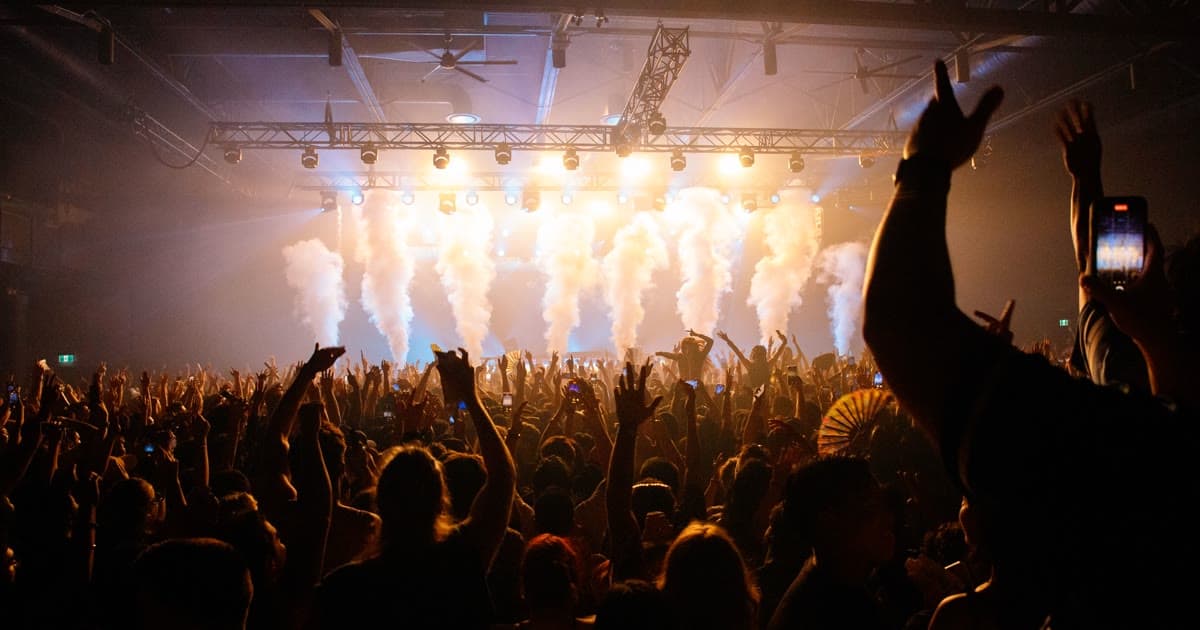
Hero image: Photo by Jeremy Li on Pexels.
Frequently Asked Questions
How early should I buy concert tickets in Australia?
For any popular show, as early as possible. Ticketek data shows Australian fans now secure their tickets an average of 118 days before the event. The best approach is to set an alert the moment a tour is announced so you are ready for the presale window, which typically opens several weeks before the general on-sale date.
What is a presale code and how do I get one in Australia?
A presale code unlocks ticket access before the public on-sale date, often at face value and with better seat selection. Common sources in Australia include the artist's official fan club or newsletter, Citi and AmEx cardholder portals through Ticketek, and venue mailing lists. Sign up to the artist's newsletter immediately when a tour is announced.
Is it cheaper to buy concert tickets last minute in Australia?
Sometimes, but only for large shows with high secondary market volume. Resale prices on major tours often drop 24 to 48 hours before showtime as scalpers try to offload unsold inventory. For smaller or intimate shows, prices typically rise as the event approaches because inventory is limited. Buying in the presale at face value is the more reliable strategy.
How can I get notified when concert tickets go on sale in Australia?
Ticketek and Ticketmaster do not offer per-artist on-sale alerts. The most reliable method is to set a FindFetcher alert for the artist or event category. You will receive an email notification when tickets become available, before the general sale queue opens.
Does Tixel charge fees on resale tickets in Australia?
Tixel charges a buyer fee of approximately 10 per cent plus GST on resale transactions, and caps the total resale price at 110 per cent of face value. This is significantly lower than platforms like Viagogo. Tixel is the preferred Australian resale platform because of this cap and its official partnerships with primary ticket vendors including Ticketek.

Founder of FindFetcher. Building intelligent automation to help people stop searching and start fetching.
Straight to your inbox.
Get short, useful tips on shopping smarter. No spam, unsubscribe any time.
Related Articles
PC Parts Price Tracker Australia: GPUs, RAM and SSDs in 2026
GPU and RAM prices rose sharply in 2026. Here are the best Australian PC parts price trackers, when components are cheapest, and how to set an alert before Black Friday.
Gaming Console Price Tracker Australia: PS5, Xbox & Switch Deals
Compare PS5, Xbox Series X and Nintendo Switch 2 prices across Australian retailers. Learn when consoles go on sale, how price trackers work, and whether a PS5 price drop is coming in 2026.
Amazon Australia Price Tracker: Your Options for 2026
Amazon Australia doesn't refund you if a price drops after you buy, so timing matters. Here's how to track Amazon AU prices, what the free tools can and can't do, and how to watch Amazon and every other store at once.