
Late Night Online Shopping Australia: Why We Can't Stop
Four in five Australians shop online between 9pm and 5am. Here is why our judgment drops after dark, what the data shows, and how smarter shoppers handle the late-night browsing habit.
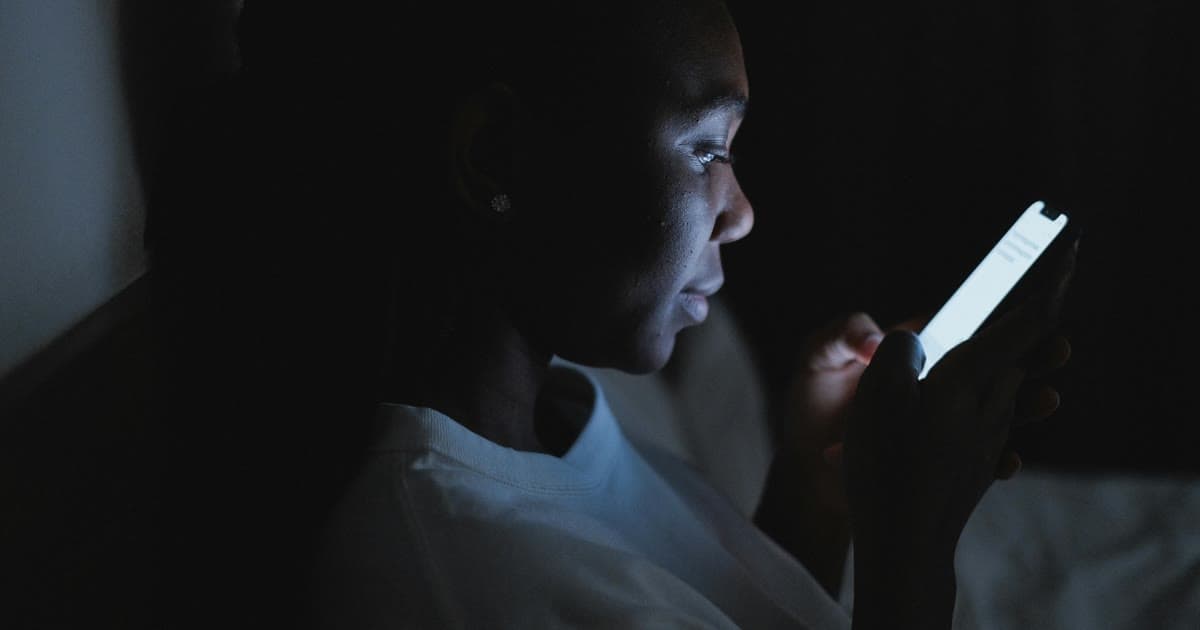
Sleepy shopping is the term researchers now use for online purchases made between 9pm and 5am, and 79% of Australians have done it[042]. This is not a niche habit or an occasional slip. It is the standard way most of us shop online. After the day is done, phone in hand, we scroll through products on the couch or in bed while the rest of the house goes quiet.
The problem is not that we are shopping at night. The problem is that night is when our decision-making capacity is at its lowest, and shopping apps are optimised to make purchasing frictionless regardless of whether we are in a good state to decide.
"There is a version of online shopping I built FindFetcher to replace. It goes like this: you spend a week telling yourself you will only buy something if it hits a certain price. Then it is 10:30pm, you are tired, the listing is sitting exactly at the price you wanted, and you feel like you have to act now or lose the opportunity. So you buy it, even though you cannot really assess in that moment whether it is actually the right call. I wanted a version where I did the careful thinking at 2pm, when I was clear-headed, and the software did the monitoring while I slept." - Joey Krosch, Founder of FindFetcher
The Problem: Our Judgment Drops After Dark
Australians now spend 41 hours a week online across all devices[001], a figure equivalent to a full-time job. A meaningful share of that time happens after 9pm. Smartphones have reduced the couch-to-cart journey to a few taps: the app is already open, payment details are saved, and notifications have been nudging us toward specific products throughout the day.
What these apps do not account for, and what research now documents clearly, is that the person making a purchase at 11pm is operating with a measurably different cognitive state than the same person making a decision at 11am.
Decision fatigue is well established in behavioural research. After a full day of choices, our capacity for careful, deliberate analysis drops. We become more reliant on mental shortcuts: does this look like a good deal? Does the price feel right compared to what I have seen before? The evaluative layer that separates a considered purchase from an impulse buy gets bypassed when we are tired.
86% of Australians agree that fatigue makes it harder to think clearly[042]. 83% agree that tiredness makes it easier to miss warning signs, small print, and red flags[042]. These are the conditions that make shoppers most susceptible to inflated "was" prices, misleading countdown timers, and sellers whose credentials they would scrutinise more carefully when rested.
Australia Post data corroborates the trend independently: 8.3% of all Australian online purchases happen between 10pm and 6am, with midnight-to-6am purchases growing 16.1% year-over-year[042]. The late-night shopping window is expanding, not contracting.
None of this is a judgement on people who shop at night. It is simply useful to understand that the environment at 11pm is specifically calibrated to encourage purchasing, at exactly the time our resistance to it is weakest. Knowing that changes what the practical solution looks like.
What the Data Actually Shows
PayPal Australia's 2026 Bedtime Browsing Report drew on a YouGov survey of 1,000 Australian adults and provides the most detailed picture yet of the after-hours shopping habit. The numbers are more concrete than most people expect:
- 79% of Australians have shopped online between 9pm and 5am[042]
- 23% do this at least once a month[042]
- 25% say they are more likely to buy impulsively when shopping late at night[042]
- 22% have spent more than they planned when shopping after dark[042]
- 18% have purchased items they later regretted[042]
- 16% have received parcels they forgot ordering entirely[042]
That final figure tends to hit differently than the others. An unremembered parcel is not just a financial issue. It is evidence that the purchase happened entirely outside any conscious decision-making process. The transaction completed, money left the account, the item shipped, arrived, and the person who bought it has no recollection of placing the order.
This is the extreme end of the spectrum. But the same conditions that produce forgotten parcels also produce a wider range of purchases that, in daylight, feel less necessary than they did the night before.
The scam risk is also higher in this window. 83% of Australians agree it is easier to miss warning signs when fatigued[042]. Fake websites, misleading urgency cues, and inflated original prices are designed to exploit exactly the reduced scrutiny that comes with tiredness. Late-night browsing puts shoppers in the optimal state for these tactics to work.
Smart Shopping vs Sleepy Shopping: A Different Approach
The most effective response to the late-night shopping problem is not willpower. Trying to resist the habit while holding a phone at 11pm is difficult, and the apps are engineered to make it more difficult still. Every part of the experience is designed to reduce friction at the moment of purchase: the notification timing, the one-tap checkout, the countdown timers. All of it works against the considered decision.
The more sustainable approach is to separate the decision from the transaction. Instead of deciding what to buy when you are tired and the environment is optimised for purchasing, you set your criteria when you are rested. Then you stop actively checking.
Here is how those two approaches compare in practice:
| Browsing late at night | Setting criteria when rested | |
|---|---|---|
| When you engage | 10pm, after a full day | During the day, alert and clear-headed |
| Time per session | 30 to 60 minutes of active checking | 30 seconds to set a price alert |
| Impulse risk | High: fatigue plus designed frictionlessness | Eliminated at the decision point |
| Screen time impact | Ongoing, habitual, increases over time | Minimal, one-off setup |
| Outcome | Uncertain, sometimes regretted | Intentional, pre-decided |
This approach works because it moves the cognitive load to the part of the day when you are best equipped to handle it. You decide once, clearly, what you actually want and at what price. From that point, the checking happens in the background via a price alert tool. You are re-engaged only when the conditions you set in advance are actually met.
For anyone who has noticed that a significant portion of their late-night phone time is price monitoring (checking whether a product has dropped, whether something is back in stock, returning to the same listing across three or four evenings), this is exactly the task that can be automated away. The monitoring belongs in the software, not in a bedroom browsing session.
Set Your Criteria Now and Stop Checking at Night
How to Shop With a Clearer Head
Changing a habitual behaviour does not require significant effort or rigid self-discipline. These three adjustments cover most of the late-night shopping problem:
1. Move the decision to daylight hours. Before you open your phone in the evening, take 30 seconds during the day to set price targets for the items you are currently watching. The assessment you make at 2pm will be sharper than the one you make at 10:30pm, even if the 2pm version does not feel as urgent. This is the most important shift in the whole approach: it is not about shopping less, it is about deciding when you are at your best.
2. Use a waiting period for evening purchases. If you find something appealing after 9pm, add it to a wishlist or cart without completing the transaction. Products that still feel necessary when you revisit them the next day at a sensible time are worth buying. Products you have forgotten about entirely, or that look less compelling in the morning, were likely impulse candidates. This is a friction-adding technique. The late-night purchase flow is specifically designed to remove friction; adding a small waiting period counters that by design.
3. Let a tool handle the monitoring. The biggest hidden cost of late-night browsing is not the occasional impulse purchase. It is the accumulated time spent rechecking listings that have not changed. A price alert service like FindFetcher monitors the Australian retail sites you care about continuously and surfaces relevant matches by email when they appear. The monitoring runs without you. When the price you were waiting for arrives, you find out. Everything in between is handled automatically.
For a practical walkthrough of setting up price alerts across Australian retailers, how to get price drop alerts covers the process step by step. If the broader habit of shopping-app browsing has crept into more of your evenings than you would like, how to reduce screen time from shopping apps and how to stop doom scrolling through shops address the wider pattern. For an understanding of how shopping apps specifically are designed to pull you back through notification badges and flash-sale mechanics, shopping apps Australia screen time covers the app audit process. For general time savings, how to save time shopping online looks at the full picture. For the underlying philosophy of making purchase decisions before the browsing starts, digital minimalism shopping explains why the sequence matters.
The goal is not to remove the enjoyment of finding a good deal. It is to have the opinions and decisions form during the hours when your judgment is sharpest, and then let the monitoring run quietly in the background while you live the rest of your life. Including, if you want, using your phone at night for something other than rechecking whether a product has changed price.
Start Shopping Smarter: Set Criteria When Rested, Not When Tired
Hero image: Photo by SHVETS production on Pexels.
Frequently Asked Questions
What is sleepy shopping?
Sleepy shopping describes online purchasing made between 9pm and 5am, a term from PayPal Australia's 2026 Bedtime Browsing Report. Their research found that 79% of Australians have shopped during these hours, with 25% saying they are more likely to buy impulsively after dark and 18% regretting those purchases.
Why do Australians shop online late at night?
Australians tend to shop online at night because it is when discretionary time opens up after work, family, and other commitments. Smartphones make it frictionless to browse from bed, and fatigue lowers the mental resistance to adding things to cart. PayPal's 2026 research found that 86% of Australians agree tiredness makes it harder to think clearly, which coincides exactly with peak shopping hours.
Is late-night online shopping bad for my finances?
The risk is real but manageable. PayPal's 2026 Bedtime Browsing Report found that 22% of Australians have spent more than planned when shopping after dark, and 18% have bought items they later regretted. The practical fix is not willpower at 11pm. It is setting your purchasing criteria earlier in the day, when your judgment is sharper.
How do I stop impulse buying online at night?
Rather than relying on willpower after dark, set clear purchasing criteria during daylight hours when you are alert. Use a price alert tool to define exactly what you want and at what price, then stop checking. When the criteria are met, you will be notified by email. No late-night browsing required.
What percentage of online shopping happens at night in Australia?
According to PayPal's 2026 Bedtime Browsing Report, 79% of Australians have made online purchases between 9pm and 5am. Australia Post corroborates the trend independently: 8.3% of all Australian online purchases happen between 10pm and 6am, with midnight-to-6am purchases growing 16.1% year-over-year.

Founder of FindFetcher. Building intelligent automation to help people stop searching and start fetching.
Straight to your inbox.
Get short, useful tips on shopping smarter. No spam, unsubscribe any time.
Related Articles
Best Budgeting Apps for Australians in 2026
4 budgeting apps that work for Australians in 2026: Frollo, WeMoney, Up, and Spriggy. What each one does, who it suits, and how they fit into an automated money routine.
What Is Smart Shopping? A Plain-Language Guide
Smart shopping means deciding what you want and what you'd pay upfront, then letting automation watch for it. Here's what that looks like in practice for Australian shoppers.
Decision Fatigue and Online Shopping: Why More Options Make Buying Harder
Decision fatigue depletes your best thinking before you reach the checkout. Here's what is happening in your brain when you shop online, and the fix that takes 30 seconds.