

How to Check If an Online Store Is Real in Australia
A two-minute check before you pay an unfamiliar online store: ABN, domain, contact details, payment options and price. Plus what to do if you have already paid.

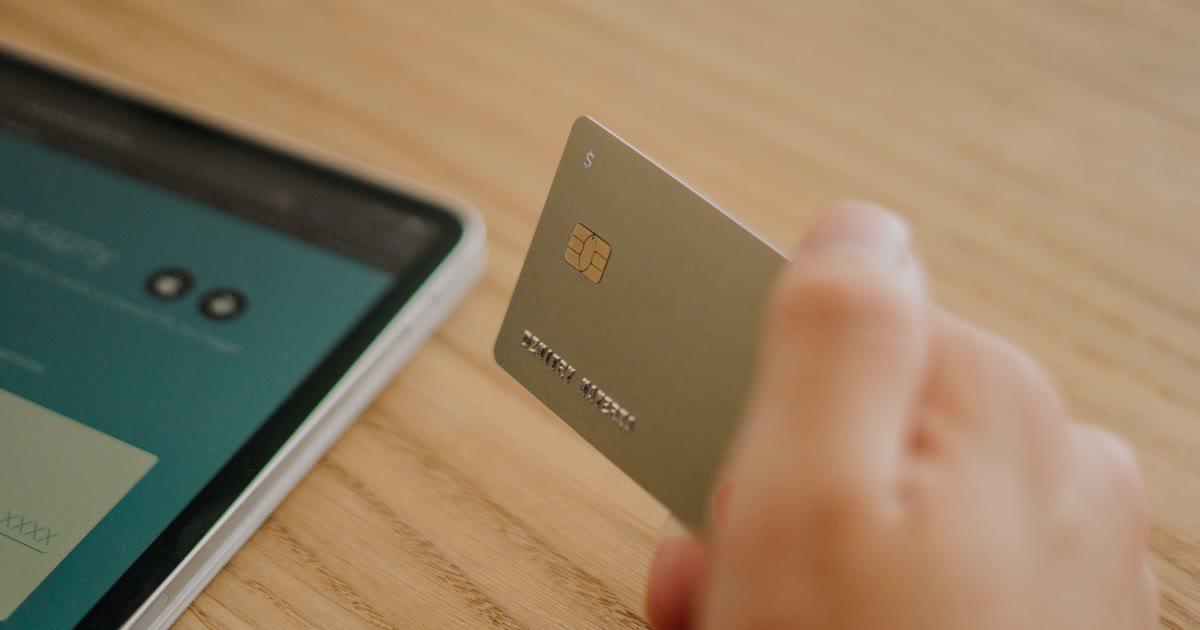
You can tell if an online store is real by running five quick checks before you pay: look up its ABN, check how old the website is, find a real address and phone number, see which payment methods it accepts, and compare the price with stores you already trust. A price far below everyone else is the biggest warning sign of all.
It takes about two minutes. That is a lot less time than chasing a refund for a parcel that never arrives.
"My rule is simple. If I cannot work out who is behind a store in two minutes, they do not get my card number. No price is good enough to make that worth the risk."
- Joey Krosch, Founder of FindFetcher
How Common Are Shopping Scams in Australia?
More common than most people think. In 2025, 12,248 Australians reported losing money to shopping scams, with total losses of $10.8 million. More people reported a loss to shopping scams than to any other scam type in Scamwatch data.[134] Those are only the people who reported it. Plenty of shoppers lose a small amount on a fake jacket and never tell anyone.
Shopping scams work because they look exactly like a good deal. You see an ad, the photos look great, the price is low, and there is a timer telling you to hurry. Black Friday and the weeks before Christmas are when this pressure is at its highest, because everyone expects big discounts and nobody wants to miss out.
What Do Fake Online Stores Look Like?
Fake stores have become much harder to spot. A few years ago they had spelling mistakes and blurry photos. Now many look polished and friendly. Watch for these signs:
- Photos that look too perfect. Product shots and "our team" pictures that look AI-made, or images you can find on other stores selling the same thing.
- A sad or sweet backstory. "Closing down after 30 years" or "a small family business" stories, with no names, no address and no history you can check.
- Huge discounts on everything. Not one item on sale, but the whole store at prices that look almost free.
- Pressure to buy now. Countdown timers, "only 3 left" banners and pop-ups saying someone in your suburb just bought one.
- Thin details. No ABN, no street address, a free email address, and a returns policy copied from another site.
One sign on its own does not prove a store is fake. Three or four together is your cue to close the tab.
The Two-Minute Store Check
Run these five checks in order. If a store fails two of them, do not buy.
| Check | Where to look | Good sign | Warning sign |
|---|---|---|---|
| ABN | abr.business.gov.au | Active ABN, name matches the store | No ABN, cancelled ABN, or a name that does not match |
| Website age | A WHOIS lookup | Registered years ago | Registered in the last few months |
| Contact details | The Contact and About pages | Street address, phone number, business email | Only a web form or a free email address |
| Payment options | The checkout page | Credit card or PayPal | Bank transfer, crypto or gift cards only |
| Price | Two or three stores you know | Close to other retailers | Far below every other store |
1. Look Up the ABN
Most Australian businesses have an Australian Business Number. Scroll to the bottom of the store's website or check the About page for it. Then type it into the free ABN Lookup at abr.business.gov.au.
Check three things: the ABN is active, the business name matches the store or its owner, and the location makes sense. A store that claims to be a Melbourne family business but has no ABN at all deserves a hard second look. You can also search ABN Lookup by business name if the store does not show its number.
2. Check How Old the Website Is
Scam stores often appear for a few weeks, take orders, then disappear. A WHOIS lookup shows details about who registered a web address. For many addresses, such as .com, it shows the date it was created. If a store says it has been trading for 20 years but its website was registered last month, that does not add up.
For .com.au addresses, the auDA WHOIS lookup shows who holds the name and the details they registered with, but may not show a creation date. In that case, lean harder on the ABN check.
3. Find Real Contact Details
A genuine store wants you to be able to reach it. Look for a street address (not just a PO box), a working phone number and an email address on the store's own domain.
Paste the address into a map. If it points to a paddock, a house or a business with a different name, be careful. If the only way to contact the store is a web form, that is a warning sign on its own.
4. Look at How You Can Pay
Go to the checkout without entering any details and see which payment methods are on offer. Credit cards and PayPal give you a way to dispute a charge if your order never arrives.
Be very wary if a store pushes you to pay by bank transfer, cryptocurrency or gift cards, or offers an extra discount if you do. That is a common scam tactic, because those payments are very hard to get back.
5. Compare the Price
This is the check most people skip, and it is often the most useful. Search the exact product at two or three big retailers you already know. If every trusted store sells it for around $300 and an unknown site has it for $79, the low price is not a bargain. It is the bait.
Real sales do happen, but they rarely beat every other retailer by a huge margin. Our guide on how to check if a sale is real in Australia walks through spotting inflated "was" prices, and the price history tracker guide shows how to see what an item normally sells for.
Check Reviews Away From the Store
The reviews on a store's own website are the ones it chose to show you. Look somewhere else.
Search the store name with the words "reviews" and "scam". Look for reviews on independent sites and in forum threads, and check whether the store has any history at all. A brand with zero mentions anywhere is not proof of a scam, but it means you are taking a bigger risk.
On social media, read the comments under the store's ads. People who never got their order often say so there.
Where FindFetcher Fits
FindFetcher searches Australian retailers and listings for the item you describe, then emails you when it finds a match at your price. It skips stores on our block list. It does not check every store on the internet, though, so the five checks above still apply before you pay anyone new.
The bigger benefit is time. When you are not scrolling ads looking for a deal, you are not seeing as many of the fake stores built to catch you. You set a FindFetcher alert once, close the app, and check the store when an email arrives. Plans and the free trial are on the pricing page. If you want to compare options, our retail price tracker guide and retail category page explain how it works, and are price tracking apps safe covers what any tracker can see about you.
What If You Have Already Paid a Fake Store?
Act fast. The sooner you move, the better your chance of getting money back.
- Call your bank or card provider straight away. Tell them you think you paid a scam store. Ask them to stop the payment if they can, and ask about a chargeback. Use the number on the back of your card, not one from the store's website.
- If you paid with PayPal or a buy now, pay later service, open a dispute through that service as soon as you can. Each one has its own time limits.
- Change your passwords if you created an account with the store using a password you use elsewhere.
- Report it to Scamwatch at scamwatch.gov.au. Your report helps the National Anti-Scam Centre warn other shoppers and disrupt the scam.
- Report the ad on the platform where you saw it, so fewer people see it after you.
- Keep records. Save screenshots of the website, the ad, your order confirmation and any emails. The store may vanish quickly.
If you shared identity documents or your details are being misused, IDCARE, Australia's national identity and cyber support service, can help you work out what to do next.
A Quick Checklist for Black Friday and Christmas
Big sale weeks are when fake stores are busiest. Before you pay any store you have not used before:
- Look up the ABN.
- Check the website age.
- Find a real address and phone number.
- Pay by credit card or PayPal, never bank transfer.
- Compare the price with two stores you trust.
If you are planning your big buys for the season, our Black Friday price drops guide shows what to watch, and smart shopping in Australia covers the habits that save the most time.
By Joey Krosch, Founder of FindFetcher.
Hero image: Photo by Tima Miroshnichenko on Pexels.
Frequently Asked Questions
Is a Shopify store a red flag?
No. Many genuine Australian businesses run their online store on Shopify, because it is cheap and easy to set up. The same ease means scam stores use it too. Treat the platform as neutral and run the normal checks: an active ABN, a real contact address, safe payment options and a price that sits close to other retailers.
Can I trust stores I find through Instagram or Facebook ads?
Not on the ad alone. Running an ad costs very little, and a polished ad says nothing about whether the store ships. Before you buy, leave the app, search the store name with the word 'reviews' or 'scam', look up its ABN, and check the price against two or three stores you already know.
Does a padlock in the address bar mean a website is safe?
No. The padlock means the connection between you and the site is encrypted, so others cannot easily read what you send. It does not tell you who runs the site or whether they will send your order. Scam sites can get a padlock for free, so never use it as proof a store is genuine.
Is it safer to pay with Afterpay or another buy now, pay later service?
Not automatically. Buy now, pay later providers have their own dispute processes, and their rules differ, so check the provider's help page before you rely on one. A credit card or PayPal is usually the easier way to dispute a payment. Avoid any store that only takes bank transfer, crypto or gift cards.
Does a .com.au address mean the store is Australian?
It helps, but it is not proof. A .com.au address needs an Australian connection to register, such as an ABN. Scammers can still misuse real details or register look-alike names. Treat a .com.au address as one good sign, then check the ABN, the contact details and the price as well.

Founder of FindFetcher. Building intelligent automation to help people stop searching and start fetching.
Straight to your inbox.
Get short, useful tips on shopping smarter. No spam, unsubscribe any time.
Related Articles
Black Friday Returns in Australia: Your Rights Explained
Faulty Black Friday buys are covered by law, even on sale. Change of mind is up to the store. Here is the 60-second returns check to do before you pay.
Amazon Prime Now $99 in Australia: Worth Keeping?
Amazon Prime rises to $99 a year in Australia from 25 November 2026. Use this 5-minute break-even check to decide whether to keep it or cancel.
AI Gift Finder Australia: Find the Perfect Gift Without the Guesswork
An AI gift finder searches Australian stores on your behalf. Set your budget and occasion, get personalised gift ideas, and receive email alerts when matching products appear.